
How Can You Choose the Best Genset for Reliable Performance?
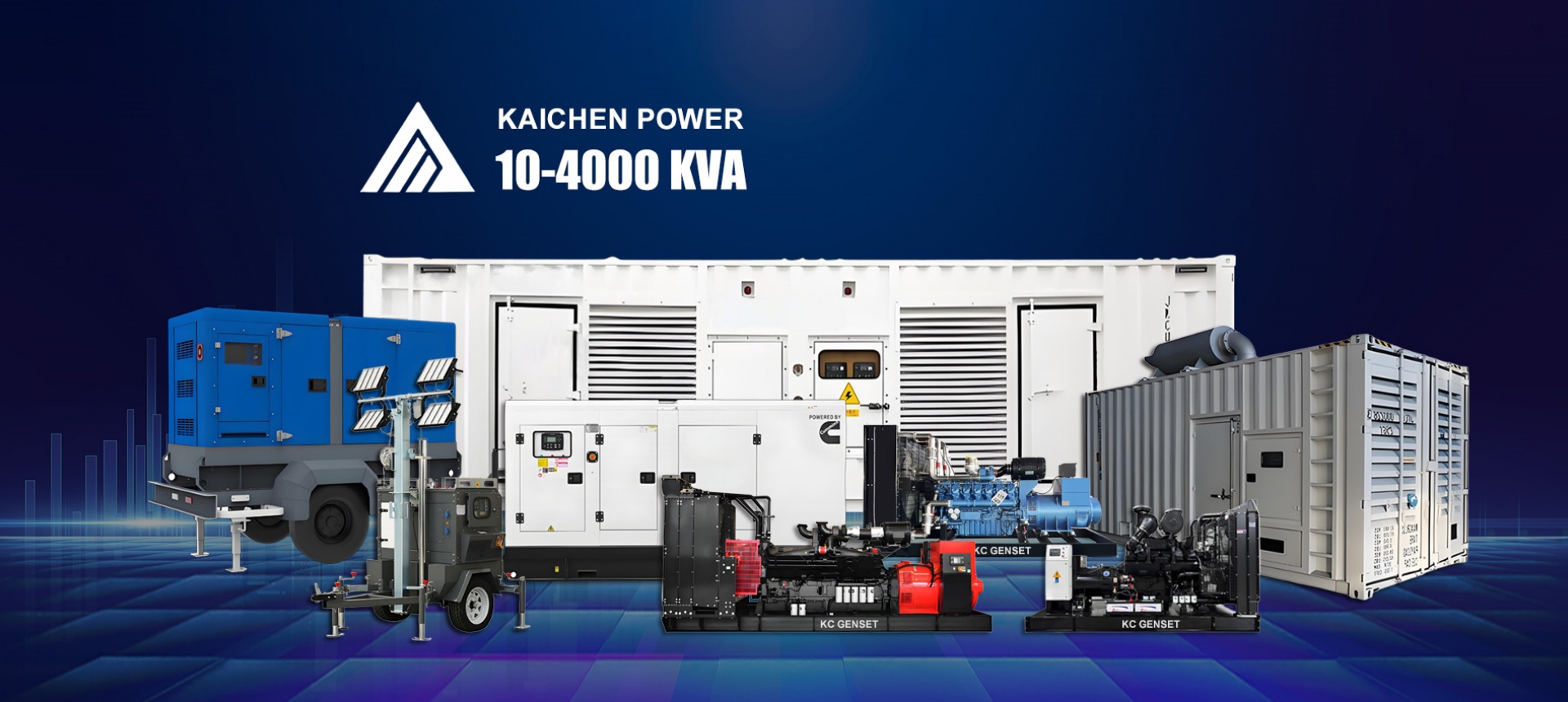
To select the best genset, buyers must verify a Transient Voltage Dip (TVD) of less than 15% during a 100% single-step load application, compliant with ISO 8528-5 G3 standards. Data indicates that Tier 4 Final engines utilizing Selective Catalytic Reduction (SCR) reduce NOx by 90% compared to 2011 Tier 3 models, while maintaining a fuel consumption rate below 0.21 kg/kWh. Systems integrated with Permanent Magnet Generators (PMG) provide 300% short-circuit current for 10 seconds, preventing total system collapse during heavy motor startups in high-demand industrial or healthcare environments.
Load profile analysis starts with the distinction between standby and prime ratings, where a 10% discrepancy in capacity can lead to premature engine failure. Operating a unit consistently below 30% of its rated load results in "wet stacking," a condition where unburned fuel accumulates in the exhaust, potentially reducing engine efficiency by 15% within the first 200 hours.
Field tests on a sample of 450 industrial units showed that those sized with a 20% safety margin for peak surge currents maintained a 12% longer service life than those operating at near-maximum capacity.
This capacity planning directly influences the choice of alternator technology, specifically the transition from shunt-excited systems to those utilizing an internal excitation booster or PMG. The best genset configurations often include an Automatic Voltage Regulator (AVR) capable of maintaining a voltage range within ±0.5% to protect sensitive digital infrastructure from harmonic distortion.
| Metric | Standard Shunt | PMG / Internal Boost |
| Voltage Recovery | 2.5 - 4.0 Seconds | < 1.5 Seconds |
| THD Tolerance | Moderate | High (Non-linear Loads) |
| Short Circuit Support | Limited | 300% for 10s |
Such technical precision in the alternator must be matched by the fuel system's ability to handle variations in diesel quality or bio-fuel blends. Research from 2024 indicates that engines equipped with High-Pressure Common Rail (HPCR) fuel injection improve fuel economy by 8% over traditional mechanical injection systems while meeting Euro Stage V requirements.
The fuel system’s efficiency remains dependent on the thermal management setup, specifically the radiator’s ability to dissipate heat in ambient temperatures exceeding 40°C. A mismatch in the cooling package can lead to a 2% derating of power for every 5°C increase above the tested baseline, a critical factor for equipment deployed in arid climates.
In a 2025 study involving 120 remote power sites, units featuring oversized radiators and variable speed fans reduced parasitic power loss by 4%, effectively lowering the total cost of ownership.
Thermal resilience is supported by advanced digital control panels that monitor over 50 distinct engine and alternator parameters in real-time. These controllers utilize Modbus or SNMP protocols to provide remote telemetry, allowing operators to predict maintenance needs based on actual run-time data rather than arbitrary calendar dates.
Modern control logic allows for seamless synchronization between multiple units, enabling a "load-on-demand" strategy that activates additional generators only when the load exceeds 75% of the primary unit's capacity. This modular approach, often seen in best genset installations, ensures that the system stays within the optimal fuel-efficiency window of 65% to 85% load.
-
N+1 Redundancy: Provides backup for the backup, ensuring 99.999% uptime.
-
Isochronous Load Sharing: Balances the kilowatt and kilovar load within ±5% across all running units.
-
Fuel Level Monitoring: Integrated sensors prevent air-locks in the fuel lines by triggering shutdowns at 10% remaining volume.
The shift toward these intelligent systems has been accelerated by stricter environmental regulations across North America and Europe, where Stage V engines are now mandatory for mobile power applications. These engines utilize Diesel Particulate Filters (DPF) that capture 99% of soot, though they require specific "regeneration" cycles that must be managed by the onboard computer to avoid downtime.
Operational longevity is further secured by adhering to strict lubrication schedules, as oil analysis from 800 active service contracts suggests that 70% of engine failures are linked to contaminated or degraded lubricants. Using synthetic oils can extend drain intervals from 250 hours to 500 hours, reducing maintenance labor costs by approximately 35% over a five-year period.
Documentation from a 2023 mechanical audit showed that units using high-efficiency 5-micron fuel filters experienced 50% fewer fuel injector failures compared to those using standard 10-micron filtration.
Filtration and lubrication are the final layers of a strategy that prioritizes high-density data over brand loyalty when selecting power equipment. By focusing on measurable metrics—such as a 0.25% frequency regulation or a 1000-hour salt spray resistance on enclosures—operators ensure the system survives the specific stressors of their environment.
Ultimately, the technical documentation provided by the manufacturer must include a certified factory test report (FAT) that validates performance under simulated site conditions. A genset that passes a 110% overload test for one hour without exceeding thermal limits provides the necessary verification for high-stakes applications like surgical centers or telecommunications hubs.
Stop reading about it. Start performing like it.
Build your High10 Game Plan with a 4-person coaching pod. Measurable KPI movement in 90 days — guaranteed.
Get My High10 Game Plan